https://en.m.wikipedia.org/wiki/Glycerol
AntifreezeEdit
Main article: Antifreeze
Like ethylene glycol and propylene glycol, glycerol is a non-ionic kosmotrope that forms strong hydrogen bonds with water molecules, competing with water-water hydrogen bonds. This interaction disrupts the formation of ice. The minimum freezing point temperature is about −38 °C (−36 °F) corresponding to 70% glycerol in water.
Glycerol was historically used as an anti-freeze for automotive applications before being replaced by ethylene glycol, which has a lower freezing point. While the minimum freezing point of a glycerol-water mixture is higher than an ethylene glycol-water mixture, glycerol is not toxic and is being re-examined for use in automotive applications.[35][36]
In the laboratory, glycerol is a common component of solvents for enzymatic reagents stored at temperatures below 0 °C (32 °F) due to the depression of the freezing temperature. It is also used as a cryoprotectant where the glycerol is dissolved in water to reduce damage by ice crystals to laboratory organisms that are stored in frozen solutions, such as fungi, bacteria, nematodes, and mammalian embryos. Some organisms like the moor frog produce glycerol to survive freezing temperatures during hibernation.
CryoprotectantsEdit
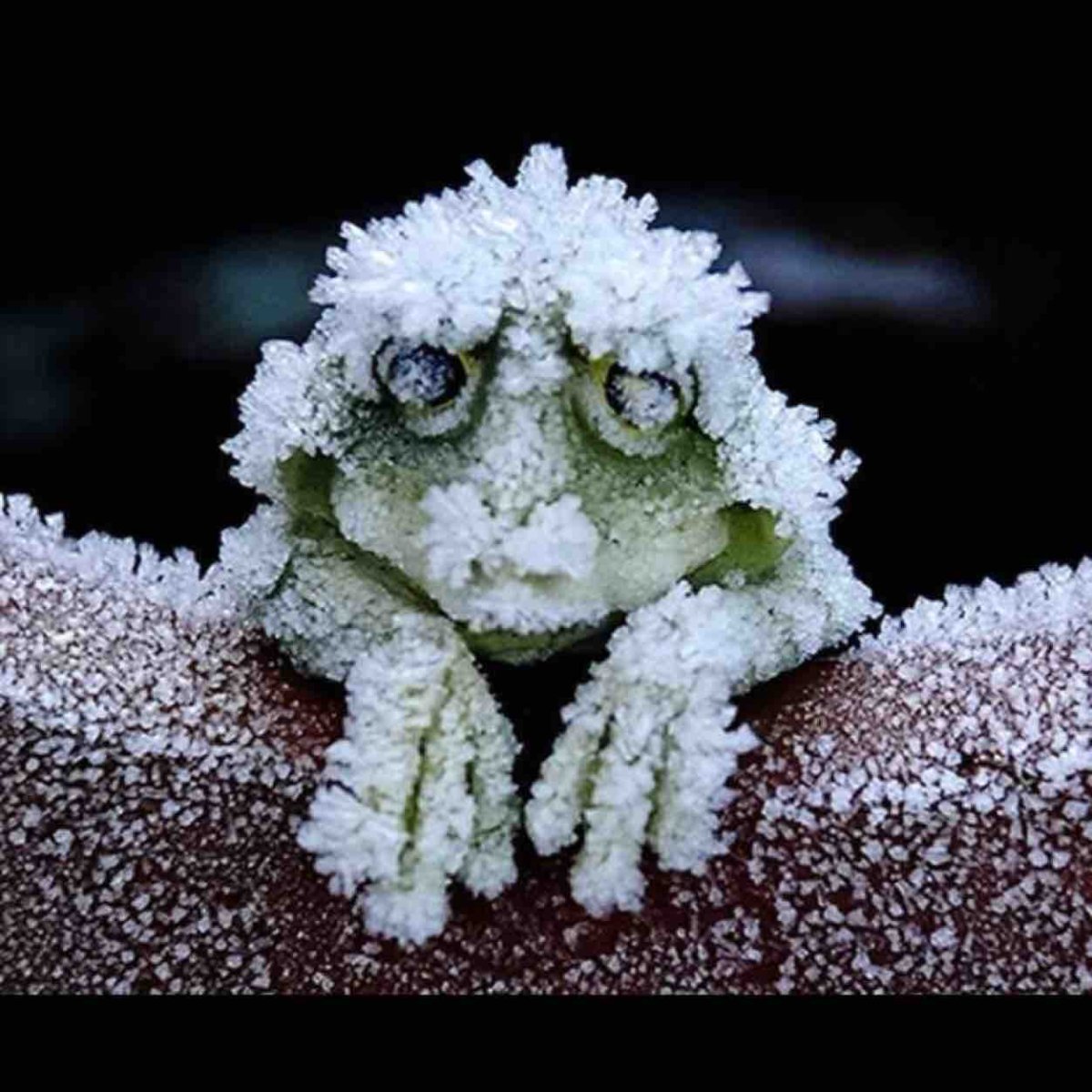
Freezing temperatures impose tremendous stress on the moor frog; breathing stops, circulation stops, ice forms in the tissues, and cells are severely dehydrated. To tolerate these tremendous stressors the moor frog and many other ice-tolerant animals greatly subdue metabolic processes, produce antioxidants, and use other biochemical means to make freezing tolerable i.e. cryoprotectants (anti-freeze). Moor frogs are known to utilize glucose as a cryoprotectant which is formed through gluconeogenesis—a natural process in livers. Because gluconeogenesis is generally restricted to the liver and glycolysis (the breakdown of glucose) continues through wintering, it is presumed there are cryoprotectants other than glucose at play in other parts of the body i.e. the muscles. Glycerol is found in much greater concentrations in the liver and muscles of frozen moor frogs. Mannose, maltose, and maltitol are also known to be in higher concentrations in the liver and muscles of frozen moor frogs; however, the change in concentration is not as drastic as the change in concentration of glycerol between frozen and non-frozen moor frogs. Freezing temperatures directly increase the rate at which glucose is broken down. The manufacture of these products all requires the use of glucose, which is stored in a polymeric form, glycogen, in the muscles. As expected, the production of these cryoprotectants and continued metabolism (even though it is slowed) consumes a great quantity of glycogen that is not replenished as the frog is not feeding during the winter.[40]
Lactate and ethanol are found in higher concentrations in frozen moor frogs. The moor frog is the only known terrestrial vertebrate to produce ethanol as a product of glycolysis. These two molecules are products of anaerobic processes which is to be expected because breathing/aerobic processes drastically slow down to the point of stopping when the moor frog is in a frozen state. Products of the breakdown of DNA are found in higher concentrations in frozen moor frogs suggesting that freezing is a highly stressful process for the frog. Frozen moor frogs also have greater concentrations of antioxidants; which are presumably made in anticipation of the oxidative stress when aerobic respiration resumes after thawing.
Metabolism during freezingEdit
Moor frogs still exhibit aerobic respiration at temperatures immediately below 0°C i.e -0.5°C to -1°C. However, the amount of oxygen consumed exponentially decreases with each decrease in degree Celsius. The majority of glucose degradation still occurs through anaerobic processes.[41] Glycogen content in muscles reaches 35% in males, 20% in females, and 25% in juveniles by mass in autumn before wintering. Glycogen in the muscles also decrease much more over winter than in the liver as limbs freeze before the core does. The mass of glycogen in the liver decreased by 10 times in females and up to 30 times in males. In a study, female Moor frogs lost 82% in mass of body fat after wintering and males lost 81%.
https://en.m.wikipedia.org/wiki/Moor_frog
https://m.dcmedical.ro/indulcitori-maltitol-patru-efecte-secundare-comune-pentru-e965_613124.html#:~:text=CE Este Maltitolul?
https://en.m.wikipedia.org/wiki/Mannose
https://en.m.wikipedia.org/wiki/Maltose
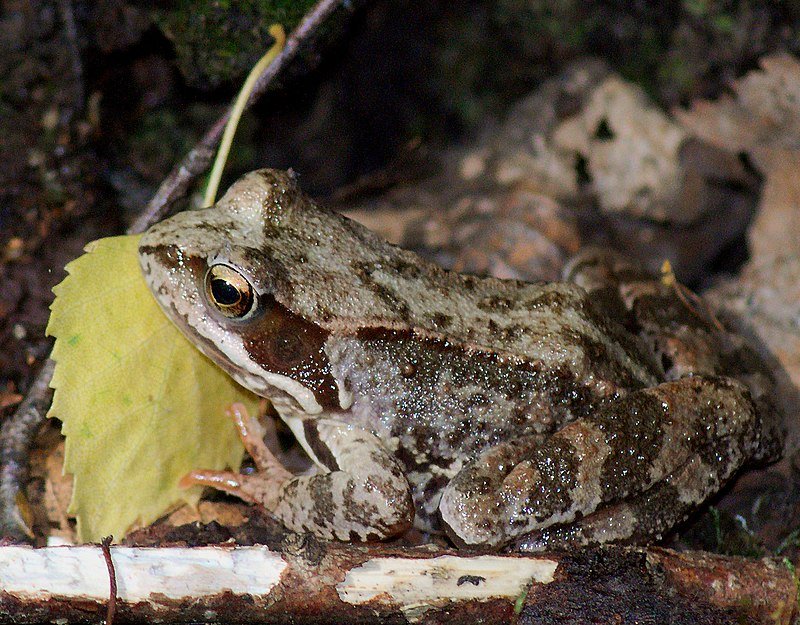
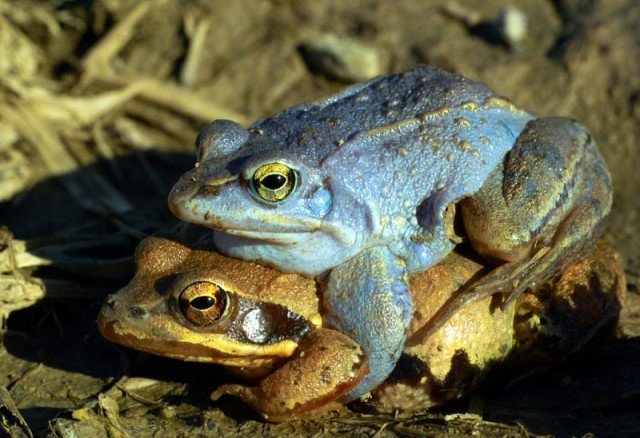
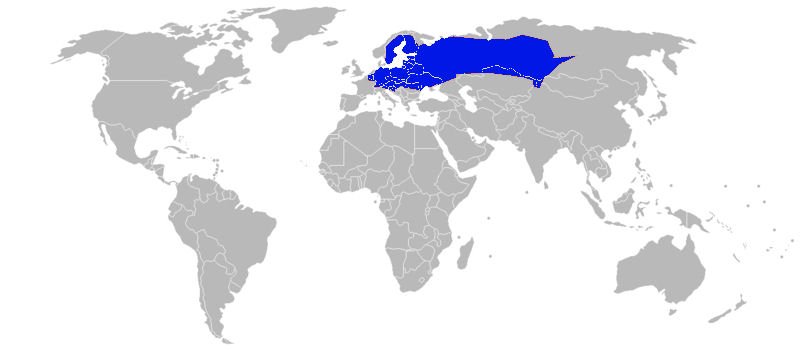
The moor frog is only known to overwinter on land. They overwinter in pits of leaf litter and between tree stumps. Moor frogs from European Russia and Western Siberia are able to tolerate freezing to temperatures as low as -16°C.
Freeze-tolerant frogs may see up to 65% of their body freeze solid during winter.
Siberian populations exhibit 0% mortality at -8°C, 25% mortality at -10°C, and 50% mortality at -12°C. A few members from a population fromKarasukwere able to freeze solid to -16°C, thaw, and survive.[38]The time a frog spends frozen does not seem to affect mortality rather the absolute minimum temperature they experience has the greatest effect on mortality. Frogs have been recorded to spend around 3 months in this frozen state with the potential to survive thawing.
Lactateandethanolare found in higher concentrations in frozen moor frogs. The moor frog is the only known terrestrial vertebrate to produce ethanol as a product of glycolysis.
https://en.m.wikipedia.org/wiki/Lactic_acid
Deci solutia a fost mereu la indemana, inclusiv etanolul, adica alcoolul alimentar, maltoza, glucoza, glicerina si glicogenul!
Acum au patentat trehaloza si o tin din scurt, deoarece acest zahar este mult peste ceea ce poate face glucoza, glicerina, samd.
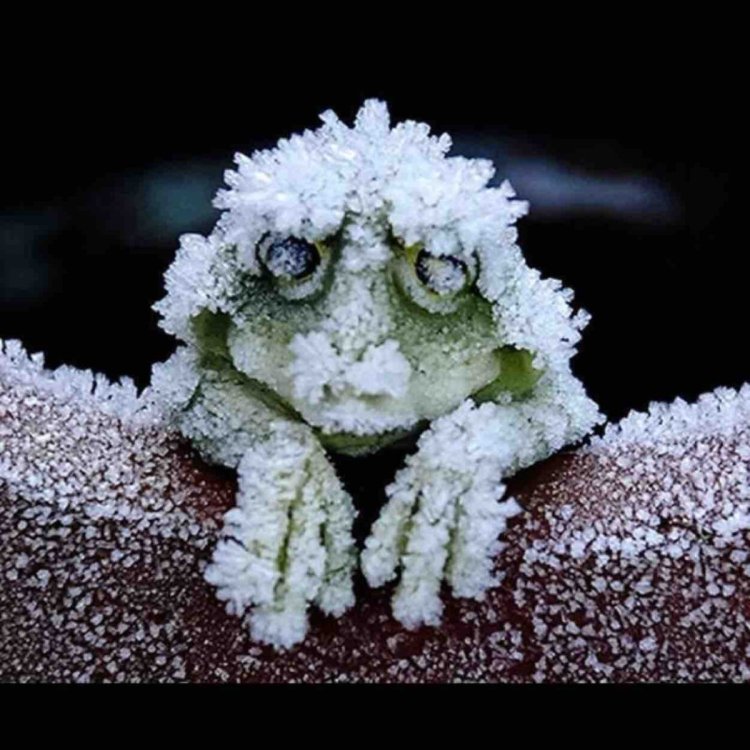
https://en.m.wikipedia.org/wiki/Wood_frog
TheJapanese tree frogshows even greater cold tolerance than the wood frog, surviving in temperatures as low as −35 °C (−31 °F) for up to 120 days.
Urea is accumulated in tissues in preparation for overwintering,[citation needed] and liver glycogen is converted in large quantities to glucose in response to internal ice formation. Both urea and glucose act as cryoprotectants to limit the amount of ice that forms and to reduce osmotic shrinkage of cells.
These H. japonica were shown to survive at -30 °C for up to 120 days.[2] Other frog species, at such temperatures, will accumulate ice, a phenomenon that proves lethal.[2] This accumulation of ice was not observed in H. japonica.[2]
During the exposure to cold, H. japonica seems to produce glycerol.[2] This production of glycerol increases as temperature decreases.[2] It is thought that this glycerol production plays a role in the cold-resistance of H. japonica.[2] However, other frog species have similar glycerol production, but do not have cold resistance to the extent of H. japonica.